Tropical Forest 3D Paper Cutting File Review for Real Projects
As an experienced designer and embroidery product reviewer, I always approach a new design with both excitement and caution. When I first opened the Tropical Forest 3D Paper Cutting File, I was struck by its lush, layered look and vibrant tropical theme. This isn’t just another floral pattern—it’s a shadow box-style design that brings depth and visual interest to any embroidery project. Let’s take a closer look at how it performs in real-world applications.
A First Impression of Depth and Nature
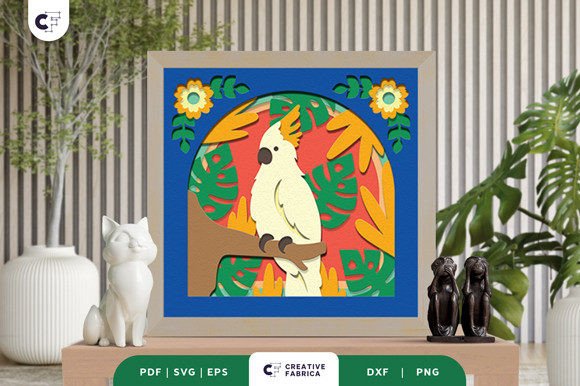
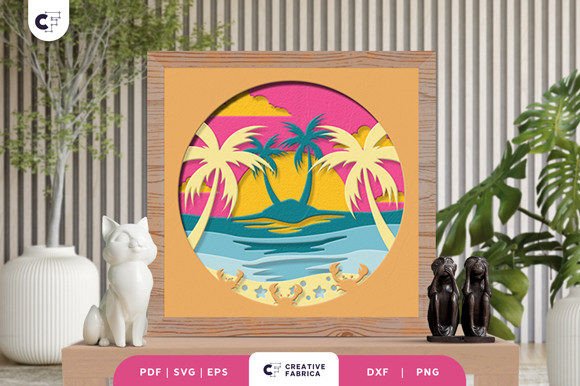
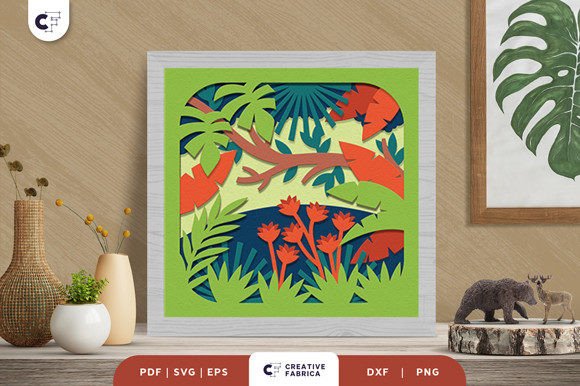
The Sunny Tropical Dense Forest 3D Shadow Box has a rich, almost theatrical quality to it. The way the foliage is arranged gives the illusion of stepping into a rainforest—dense palms, ferns, and vines layered like they’re growing out from the fabric itself. It feels alive and dynamic, which is perfect for adding a touch of wilderness or island escape to handmade products. The layout is balanced but not overcrowded, making it suitable for larger surfaces where texture and detail can shine.
This kind of design naturally belongs on items like tote bags, sweatshirts, or decorative pillow covers. It adds a sense of adventure and warmth, especially during the holidays or summer-themed projects. As an embroidery file, it carries a strong visual personality that speaks to eco-conscious consumers, boutique owners, and those looking to create unique, nature-inspired handmade products.
Real-Life Embroidery Performance
I’ve tested this design on a few common project types to see how it holds up under different conditions. Here’s how it performed:
- Custom Apparel: On a cotton sweatshirt, the satin stitch outlines gave the leaves a smooth, polished finish. The fill stitch areas were dense enough to hold their shape after multiple washes, but I did notice some slight fraying if the stabilizer wasn’t properly removed post-stitching.
- Baby Items: For a personalized baby onesie, the design added a playful yet sophisticated jungle vibe. However, the small details near the base of the tree required extra attention to ensure no stitches broke during wear.
- Patches and Decor: When used as an embroidered patch, the 3D layering really came through. It looked great on denim jackets and canvas backpacks, though the corners needed reinforcement when using thicker materials.
- Tote Bag Design: On a linen blend tote bag, the design made a bold statement. The stitching clarity was impressive, and the colors blended well with natural-toned fabrics. It worked particularly well as a holiday gift item or a seasonal accessory.
- Nursery Decor: The gentle, organic feel of the Tropical Forest 3D Paper Cutting File made it ideal for a botanical-themed nursery wall hanging. The shadows and layers gave it dimension without being overwhelming.
Where to Use with Caution
While this design is versatile, there are certain situations where you should be more careful with placement and preparation:
- Small Hoop Sizes: The design includes several large elements. If your hoop size is limited, consider scaling down carefully or adjusting the composition to fit within the available space without losing key features.
- Textured Fabrics: Stitch density may vary depending on the fabric’s surface. A running stitch might show gaps on flannel or felt, while satin stitches could pucker slightly on stretchy knits.
- Thin or Stretchy Fabric: The intricate lines and fills may not lay flat correctly on lightweight materials or stretchy tees unless you use a good backing stabilizer.
- Dark Fabric Backgrounds: Thread color contrast is important here. While the design offers a colorful palette, black or dark-colored threads won’t pop as well on darker bases. Testing thread colors on sample fabric is essential.
- Curved Surfaces (e.g., Caps or Hats): The curved nature of these items can distort the design unless it's placed in a seam or adjusted to follow the contour smoothly.
- Dense Stitch Areas: The layered sections may require longer stitching time due to high stitch density. Be sure to check your machine’s capacity before running full production batches.
Visual Appeal and Customer Reaction
One of the best parts about using this machine embroidery design is the visual impact it creates. The 3D effect works well with light and shadow, making it stand out even on simpler garments. Customers seem drawn to the idea of a “living” jungle scene on their personalized gifts or custom apparel. It conveys care and craftsmanship, which is a big plus for Etsy sellers and small shop products.
In terms of product value, this design elevates the perception of any item it’s applied to. It adds a premium, artisanal feel that can justify a higher price point. But keep in mind that customer trust relies on consistent results. If the design doesn’t perform well across different fabric types or machines, it could affect buyer satisfaction.
Design Notes for Professional Use
If you're planning to use the Tropical Forest 3D Paper Cutting File in your craft business, here are a few practical tips based on my testing:
- Test on Scrap Fabric First: Especially if you're planning a commercial run, test the design thoroughly. Check how it lays after stitching and whether it stretches or distorts over time.
- Review Stitch Density: Make sure your machine handles the dense fill areas without overheating or skipping stitches. Adjust speed or tension as needed.
- Confirm Hoop Size: If the recommended hoop size isn’t listed, double-check your machine manual and adjust the design accordingly.
- Use Proper Stabilizer: For delicate or stretchy materials, a tear-away or cut-away stabilizer will help maintain the design’s integrity.
- Check Thread Color Contrast: Some thread combinations may make the design appear too busy or muted. Try a few variations to find the most appealing balance.
- Inspect Small Details: The innermost parts of the foliage have fine lines and curves. These need precise needle work to avoid misregistration or distortion.
- Test in Black and White: Sometimes color can trick us. Converting the design to grayscale helps evaluate how it would look if simplified for monochrome embroidery.
- Compare Light and Dark Backgrounds: This design shines brightest on light-colored fabrics. On dark bases, the colors may appear washed out unless you adjust thread shades accordingly.
- Check Licensing Before Selling: If you plan to use this in commercial embroidery or sell digital versions, confirm the licensing allows for resale of finished goods or digital embroidery files.
Enhancing Brand Consistency and Giftability
For branding purposes, the Tropical Forest 3D Paper Cutting File fits well with businesses focused on sustainability, travel, wellness, or lifestyle themes. Its warm and inviting look can become a signature element in your product line, helping with design assets and printable mockups for online listings.
When it comes to giftability, this design is highly versatile. It works well on baby clothes, holiday gifts, and wedding favors. The 3D aspect makes it feel special and thoughtful, which is exactly what customers expect from handmade products. Just be mindful of the fabric choice and stitching method to preserve the design’s charm after repeated handling or washing.
Final Thoughts for Makers and Sellers
Overall, the Tropical Forest 3D Paper Cutting File is a solid addition to your embroidery arsenal. It brings a fresh, dimensional aesthetic to everyday items and can elevate your small shop merchandise with minimal effort. However, because of its complexity, it demands a bit more attention than simpler motifs.
Whether you're a hobbyist working on a personal project or an embroidery designer preparing for a client order, this design offers a lot of creative potential. Just remember to adapt it to your specific needs—test, tweak, and tailor it for each application. With the right setup, it can be a standout feature in your handmade shop or custom apparel line.
So, if you’re looking for an applique design that stands apart from the usual florals and offers a sense of place and story, give this one a try. Just don’t forget to check all the technical specs and test it out before committing to a full production batch. Your future customers—and your machine—will thank you.