Fairy with Red Mushroom 3D SVG: A Fantasy Asset for Editorial Design
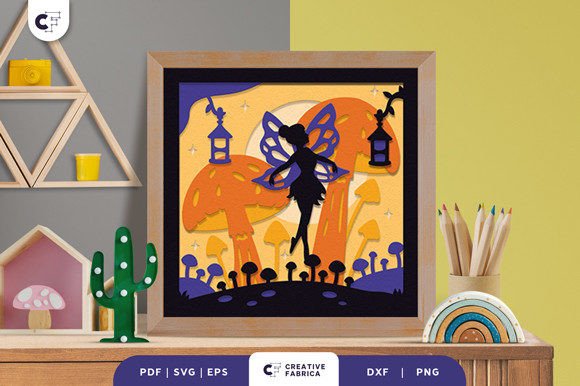
As a seasoned blog designer and digital publisher, I’m always on the lookout for high-quality graphic design assets that can elevate content visuals without compromising performance or brand integrity. When I first encountered Fairy with Red Mushroom 3D Shadow Box, I was immediately drawn to its whimsical charm and intricate details. This 3D SVG file is more than just an illustration—it’s a versatile editorial tool that can bring a touch of enchantment to your content marketing efforts.
Eliciting a Whimsical Editorial Mood
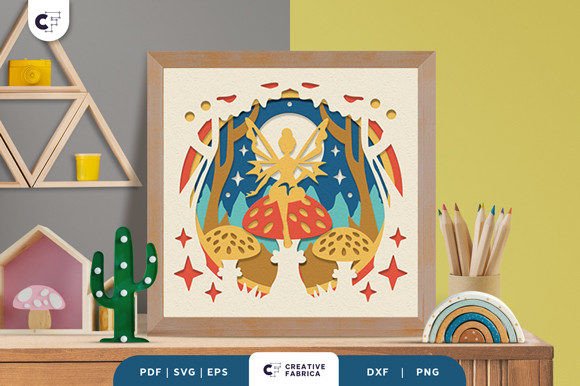
The Fairy with Red Mushroom 3D Shadow Box exudes a dreamy, artistic vibe that aligns perfectly with the Fantasy And Fairy Tales category. Its playful yet polished look makes it ideal for niche blogs focused on storytelling, fantasy literature, creative writing, or even wellness and mindfulness content inspired by nature and magic. The fairy perched atop the giant mushroom suggests a sense of wonder and curiosity—qualities that naturally engage readers and support immersive narratives.
This design asset doesn’t feel overly childish or too stylized for professional use. Instead, it strikes a balance between feminine elegance and bold creativity. It can be used to signal lighthearted, imaginative content while still maintaining a level of sophistication that appeals to a broad audience. The mood it sets is perfect for articles about folklore, magical realism, seasonal themes like autumn or fairy gardens, and even digital products such as guided meditations or children's storybooks.
Real Publishing Use Cases
In real-world publishing workflows, this 3D SVG can serve multiple purposes. Here are some practical applications I’ve considered:
- Blog Featured Images: The fairy adds a focal point to article headers, especially when paired with clean typography and a soft gradient background.
- Pinterest Graphics: With its eye-catching silhouette and vibrant colors, it’s a strong candidate for vertical Pinterest pins in niches like fantasy art, digital downloads, or lifestyle content.
- Newsletter Headers: Incorporating the mushroom fairy into a monthly newsletter banner gives it a unique visual identity that stands out from generic stock images.
- Digital Guides & Lead Magnets: As part of a lead magnet or downloadable resource (like a printable story starter), it signals creativity and value, increasing click-through potential.
- Canva Templates: This design works beautifully in custom Canva templates for bloggers or educators who want to maintain a consistent theme across their content suite.
- Media Kits & Branding: For small businesses or indie authors in the fantasy genre, this asset can help build a cohesive brand identity through website banners, social media posts, and promotional materials.
Boosting Content Performance with Visual Impact
One of the key reasons I appreciate the Fairy with Red Mushroom 3D Shadow Box is how it enhances content performance. Strong first impressions matter, especially in fast-scrolling environments like social feeds or blog archives. The 3D depth and attention to detail create a sense of quality and intentionality, which builds reader trust and encourages deeper engagement.
Its layered composition supports a clearer visual hierarchy. Placed strategically within an image, the fairy becomes a natural anchor point, drawing attention to headlines or calls-to-action. This is particularly valuable for affiliate marketers or online educators who rely on compelling thumbnails and headers to convert casual visitors into engaged users.
I’ve also noticed how this design contributes to stronger branding. Repeated use across a blog’s header images, newsletter footers, and downloadable resources creates a consistent visual motif that strengthens brand recall. Readers begin to associate the whimsical aesthetic with your content style—whether you’re running a fantasy-themed site or simply adding a creative flair to lifestyle topics.
Where This Asset Shines
The Fairy with Red Mushroom 3D Shadow Box performs best in the following contexts:
- Hero Images: It can be the centerpiece of a landing page or homepage hero section, especially if your site focuses on fantasy, imagination, or creative industries.
- Article Thumbnails: On platforms like Medium or Substack, where thumbnails are critical for clicks, this graphic adds a memorable visual hook.
- Pinterest Pins: Vertical compositions featuring the fairy with a clear headline work well for driving traffic back to your site or shop.
- Editorial Accents: Used as a border element or decorative accent in long-form articles or e-books, it reinforces the theme without overwhelming the text.
- Content Upgrades: When designing a free digital download (like a character development worksheet or fantasy world-building guide), this asset helps make the offer feel premium and enticing.
- Social Media Previews: Whether it’s a YouTube thumbnail or Instagram post preview, the fairy brings a magical touch that invites clicks.
When to Use It Carefully
While this asset is undeniably beautiful, it’s important to consider where it might not perform optimally. In small mobile thumbnails, the fine details may get lost, reducing its effectiveness as a standalone visual. Similarly, in text-heavy blog images, the graphic could compete with the message rather than complement it. If your layout already has a lot of elements, using the fairy might add unnecessary clutter.
Also, be cautious when placing it on low-contrast backgrounds or in corporate or minimalist sites. The ornate nature of the design may clash with sleek, modern aesthetics or seem out of place in serious business contexts. It’s best reserved for niches that embrace storytelling, fantasy, or creative expression.
Practical Tips for Publishers and Designers
To ensure this design asset serves its purpose effectively in your publishing projects, here are some actionable tips:
- Test on Desktop and Mobile Screens: Make sure the fairy remains legible and visually appealing at various screen sizes and resolutions.
- Check Thumbnail Versions: Resize the graphic to see how it holds up in smaller formats, like Twitter cards or email newsletters.
- Preview in Real Layouts: Place it within a live blog template or Canva layout to evaluate how it interacts with fonts, spacing, and other design elements.
- Pair with Headline Text: Experiment with different font styles—serif, sans serif, script, handwritten, and display—to find the most harmonious combination.
- Assess Contrast and Readability: Ensure that any text overlay is clearly visible against the design. Consider testing in black and white to check accessibility.
- Optimize File Size: Since it’s a 3D SVG, keep an eye on the export settings to maintain quality while ensuring fast loading times for web pages.
- Confirm Commercial Licensing: Before embedding it into monetized websites, affiliate campaigns, or paid digital products, verify that the commercial license allows for such use.
Creating Consistency in Your Visual Identity
For those managing a portfolio of digital content—be it a multi-author blog, a subscription-based website, or a growing creative marketplace—the Fairy with Red Mushroom 3D Shadow Box can become a signature element of your visual language. Think of it as a recurring motif that subtly ties together different parts of your content strategy, from blog posts to social media stories and downloadable printables.
Used sparingly, it adds a magical edge to your brand identity. Overused, however, it risks becoming repetitive or distracting. My recommendation is to incorporate it in key spots—such as your website header, featured blog sections, and content upgrades—and let it shine without overshadowing the message.
Supporting Seasonal and Thematic Content Campaigns
Autumn, fantasy conventions, and nature-inspired content calendars are all opportunities to leverage this asset creatively. The red mushroom and ethereal fairy lend themselves well to seasonal themes like fall foliage, forest walks, or cozy reading nooks. They also fit seamlessly into themed editorial layouts, such as “Fairy Tale Fridays” or “Imaginary Worlds Week.”
For digital marketers, this means you can batch-create a series of graphics for a specific campaign. Pair the design with related SVG elements—like trees, owls, or enchanted creatures—for a cohesive look that resonates with your target audience and improves overall content performance.
Why This Asset Belongs in Your Design Toolkit
At the end of the day, the Fairy with Red Mushroom 3D Shadow Box isn’t just another graphic design asset. It’s a carefully crafted 3D SVG that speaks to the emotional tone of your content. It’s suitable for both personal blogs and professional publishers who want to stand out in crowded markets with something unique yet universally appealing.
Whether you’re creating a new digital product, revamping your blog’s visual identity, or designing engaging social media graphics, this asset offers the kind of editorial quality that transforms ordinary content into something truly special. It brings fantasy to life in a way that feels fresh, intentional, and ready for real publishing use.
Final Thoughts on Fantasy-Inspired Web Design
In today’s competitive content landscape, having access to high-quality, niche-aligned design assets is essential. The Fairy with Red Mushroom 3D Shadow Box is one such piece that bridges the gap between artistic vision and functional editorial design. It’s scalable, adaptable, and capable of enhancing everything from website banners to downloadable worksheets.
As someone who frequently evaluates design assets for integration into client projects and my own content hubs, I can confidently say this is a standout choice for anyone in the fantasy and fairy tales space. Just remember to pair it thoughtfully, optimize it properly, and always confirm licensing before going live. With these considerations in mind, it’s a powerful addition to your creative toolkit.