Cathedral of Florence Italy 3D Shadowbox – A Versatile SVG Asset for Creative Projects
As a graphic designer with years of experience working across brand identity, packaging design, and digital content creation, I'm always on the lookout for high-quality design assets that can elevate a project from average to exceptional. Recently, I came across the Cathedral of Florence Italy 3D Shadowbox, and after testing it in several real-world scenarios, I wanted to share my professional take on how this asset could perform in your next client or personal project.
A First Impression Rooted in Elegance and Cultural Depth
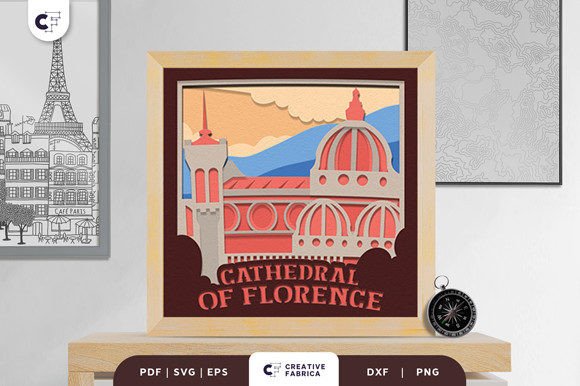
The Cathedral of Florence Italy 3D Shadowbox immediately caught my eye with its intricate paper-cut style and dimensional layering. It feels like a handcrafted illustration brought to life through modern 3D SVG techniques. The visual mood is rich and evocative—perfect for any design work aiming to convey heritage, artistry, or a strong sense of place.
This design works especially well for clients in the countries-themed niche, such as travel agencies, cultural brands, or businesses launching products inspired by Italian architecture. Its detailed structure and architectural precision lend an air of sophistication that aligns well with luxury branding and artisanal product lines.
Real-World Application: From Branding to Print-on-Demand
I tested the Cathedral of Florence Italy 3D Shadowbox in various contexts, including logo mockups, brand identities, and print-on-demand visuals. Here's how it performed:
- Brand Identity: The design added a unique cultural touch to a handmade soap line targeting European-inspired wellness trends. Used subtly in the background of product labels, it enhanced the visual trust and emotional appeal without overwhelming the brand message.
- Product Mockups: When placed on a gift box mockup for a boutique selling travel-themed home décor, the shadowbox felt like a natural extension of the product’s story. It elevated the perceived value and gave the mockup a more polished, professional look.
- Social Media Graphics: For a seasonal campaign promoting an online travel guide, the cathedral illustration worked beautifully as a hero graphic behind key text elements. It created a focal point that drew attention while supporting the theme of discovery and beauty.
- Editorial Design: In a blog post about Renaissance history, the 3D Shadowbox was used as a decorative header. It helped establish a thematic consistency and made the layout feel more engaging and immersive.
- Printable Wall Art: As a standalone design, it translated exceptionally well into large-format prints. The layered depth and clean lines made it ideal for those looking to create visually striking, yet subtle, interior design pieces.
Where This Asset Shines: Large Layout Areas and Themed Campaigns
The Cathedral of Florence Italy 3D Shadowbox excels in designs where scale and detail matter most. Think large layout areas like posters, flyers, or even website headers. The layered construction allows it to maintain clarity and impact when scaled up, which is essential for projects needing a dramatic visual punch.
It also fits seamlessly into themed collections—especially those centered around countries, architecture, or European culture. Whether you're building a design bundle for an Etsy shop or crafting a Canva template for a travel blogger, this asset adds a refined touch that speaks to both aesthetics and storytelling.
Another standout use case is in Cricut projects. The clean vector paths and layered elements make it easy to adapt for vinyl cutting or card-making. As a craft-focused designer, I appreciate how it can be manipulated to suit different materials and applications without losing quality.
Designers Should Use Care: Small Sizes and Minimalist Contexts
While this asset is powerful in the right setting, there are some limitations to consider. Due to its complexity, using it in small sizes (like icons or micrographics) may result in loss of detail or clutter. The fine lines and intricate shapes might become illegible or unattractive when shrunk down.
Similarly, in crowded layouts or complex backgrounds, the design can lose its clarity and purpose. If your layout already has multiple visual elements competing for attention, this shadowbox might not be the best fit unless it’s carefully balanced with negative space and contrast.
For minimalist branding or professional corporate materials, the design's ornate nature could clash with the intended aesthetic. However, if the brand is leaning toward a creative or artisanal identity, it can add just the right amount of personality and narrative.
How It Impacts Readability and Visual Hierarchy
When integrating this 3D Shadowbox into a design, I found it crucial to test it alongside different font styles. It pairs surprisingly well with serif fonts for a classic, timeless feel, but also adapts nicely with sans-serif or display fonts when the goal is to balance tradition with modernity.
In terms of visual hierarchy, the cathedral should serve as a supporting element rather than the main focus. Placing it at the bottom or side of a composition helps direct the viewer’s attention toward the primary message or call-to-action. When used as a background accent, ensure the foreground text is bold and high-contrast to avoid readability issues.
Technical Considerations for Commercial Use
Before recommending this design for a client project, here are the key technical checks I performed:
- File Formats: The design comes in both SVG and PNG formats, making it suitable for digital and print applications. The SVG version allows for full scalability and layer editing, which is a huge plus for designers who need flexibility.
- Transparency and Background Testing: The PNG file included transparency, which is excellent for overlaying on various surfaces. I tested it on light, dark, and patterned backgrounds to see how it responds. On lighter tones, it stood out beautifully; on darker ones, it needed additional highlights to remain visible.
- Print Quality: I previewed the design on product mockups for t-shirt printing, mugs, and stickers. The resolution held up well for screen printing and sublimation processes, though I recommend confirming color profiles and bleed settings before finalizing.
- Commercial Licensing: Always confirm the commercial license before using any design asset. This one appears to be available for commercial use, but double-check the source to avoid legal issues later.
Emotional Appeal and Audience Engagement
One of the strengths of the Cathedral of Florence Italy 3D Shadowbox is its ability to evoke emotion. The design suggests grandeur, history, and craftsmanship—qualities that resonate deeply with audiences interested in travel, culture, and bespoke products.
When used in marketing visuals for a handmade business or a small business launch, it helps create a narrative around authenticity and attention to detail. This kind of emotional storytelling is invaluable for connecting with customers and enhancing brand recognition.
Why This Is a Useful Creative Design Asset
Despite its ornate style, the Cathedral of Florence Italy 3D Shadowbox is surprisingly versatile. It bridges the gap between traditional illustration and modern digital design, making it a great addition to any designer’s toolkit. Whether you're working on a design bundle for a creative marketplace or a single printable design for a local event, this asset brings a level of professionalism and uniqueness that's hard to achieve with generic clipart or flat illustrations.
Its 3D SVG format ensures that it remains crisp and editable across all platforms, which is especially useful for those creating custom templates in Canva or preparing files for Cricut machines. It's also a strong candidate for web design and digital ads due to its compatibility with responsive design principles and its ability to load quickly without sacrificing quality.
Final Designer Notes and Recommendations
Here are a few practical tips I’d suggest to fellow designers considering this asset:
- Test it in black and white to ensure it still holds its visual weight without color.
- Preview it on real mockups to get a sense of how it looks on actual products.
- Use it as a decorative accent in editorial layouts or social media posts to enhance the visual mood.
- Keep an eye on contrasts, especially when placing it over gradients or textured backgrounds.
- If using in packaging or web banners, ensure the file is optimized for fast loading and print clarity.
In conclusion, the Cathedral of Florence Italy 3D Shadowbox is a compelling design asset that can bring a touch of elegance and cultural resonance to a wide range of creative projects. Just like any other illustration or graphic, it requires thoughtful placement and context-aware application. But when done right, it can significantly enhance the overall impression of your work—whether you're designing for a small brand or a major campaign.